
What Is Fast Fingerprinting? A Complete Guide to Rapid FBI Background Checks in 2026
Fast fingerprinting is an electronic method that captures fingerprints digitally and submits them directly to the FBI or a requesting agency for faster background check processing. In 2026, live scan fingerprinting has become the standard for employment, licensing, immigration, and legal checks because it delivers results much faster than traditional ink cards.
The FBI’s Criminal Justice Information Services (CJIS) Division confirms that electronic submissions reduce fingerprint rejection rates by validating print quality during capture. Instead of waiting weeks to discover a smudged or unreadable ink card, live scan systems flag issues immediately, allowing instant re-scans and preventing costly delays.
Fast fingerprinting is especially important when deadlines are tight, such as job onboarding, professional licensing, immigration filings, adoption cases, or court requirements. With many agencies now prioritizing electronic submissions, traditional ink fingerprinting is increasingly slower, less reliable, and often discouraged.
How Fast Fingerprinting Works?
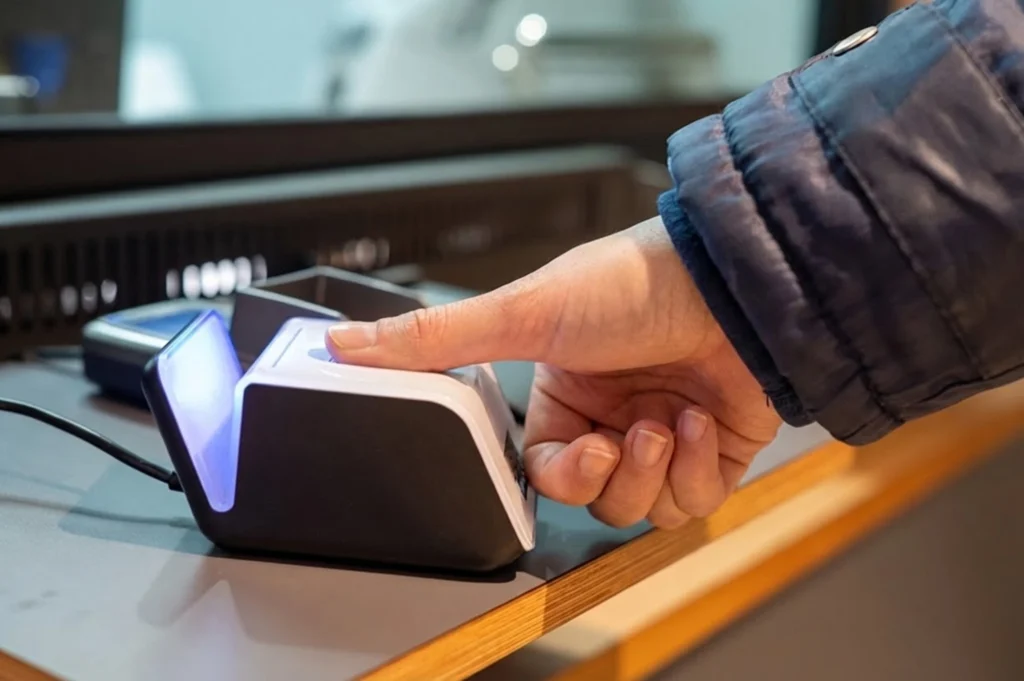
Fast fingerprinting is a modern, electronic way to capture and submit fingerprints quickly. Instead of using ink and paper cards that must be mailed and manually processed, this method uses digital scanners to collect fingerprints and send them directly to the FBI or requesting agency.
It’s also called live scan fingerprinting, electronic fingerprinting, or digital fingerprinting. All these terms describe the same process: fingerprints are captured digitally, checked for quality in real time, and submitted instantly through secure systems.
The main advantage is speed and accuracy. Traditional ink cards can be rejected due to smudges or errors, which may delay results for weeks. Fast fingerprinting reduces these problems by detecting poor-quality prints immediately and allowing quick re-scans.
The process uses FBI-approved live scan devices and secure electronic networks to transmit fingerprint data directly, avoiding mailing delays and manual handling.

The 4-Step Fast Fingerprinting Process
Fast fingerprinting is designed to be quick, simple, and stress-free. In most cases, the entire appointment takes less than 30 minutes, and your fingerprints are submitted electronically the same day. No messy ink. No mailing delays. No waiting weeks to find out something went wrong. Here’s exactly how the process works from start to finish:
1. Schedule an Appointment
Most fast fingerprinting providers offer same-day or next-day appointments, especially private services and FBI-approved channelers. Some locations allow walk-ins, but appointments are strongly recommended to avoid wait times and ensure expedited handling.
2. Visit the Fingerprinting Location
You’ll need to bring a government-issued photo ID and any paperwork provided by the requesting agency (employer, licensing board, USCIS, or court). The technician will confirm your identity, purpose code, and submission details before proceeding.
3. Electronic Fingerprint Capture
Your fingerprints are captured using a live scan digital scanner. The process typically takes 5–10 minutes. Unlike ink fingerprinting, the system checks print quality in real time and allows immediate re-scans if needed, reducing rejection risk.
4. Electronic Submission
Once captured, your fingerprints are submitted electronically to the FBI or the requesting agency through secure networks. There is no mailing, manual data entry, or postal delay. You’ll usually receive a receipt or tracking number for status updates.
Who Needs Fast Fingerprinting?
Fast fingerprinting is required whenever background check results must be returned quickly and delays could affect employment, licensing, immigration status, or court approval. In 2026, it is no longer limited to law enforcement or government positions. Many everyday professional and personal processes now depend on electronic fingerprint submission.
Employment Background Checks
Many employers require fingerprint-based background checks before allowing a new hire to begin work. This is especially common in roles that involve trust, public safety, or access to sensitive information.
Fast fingerprinting is frequently required for healthcare professionals, including nurses and medical staff; teachers and school employees; childcare providers; security personnel; government contractors; and professionals working in financial or compliance-sensitive positions.
In these situations, delays in fingerprint processing can postpone start dates or even jeopardize job offers.
Professional Licensing
State licensing boards frequently require fingerprint-based background checks as part of initial licensing or renewal. Fast fingerprinting is widely used by:
- Real estate agents and brokers
- Insurance agents
- Contractors and skilled tradespeople
- Legal professionals and court officers
- Accountants and financial advisors
Because licensing timelines are often fixed, expedited fingerprinting helps prevent missed deadlines and stalled applications.
Immigration and Adoption
Immigration and adoption processes are highly time-sensitive and document-heavy. Fast fingerprinting is commonly required for:
- Adjustment of status applications (Form I-485)
- Naturalization applications (Form N-400)
- International adoption cases (Form I-800A)
- Certain visa applications and residency permits
Electronic fingerprinting reduces delays caused by rejected prints and helps keep immigration cases moving through already backlogged systems.
Other Common Needs
Fast fingerprinting is widely used in personal, legal, and volunteer-related situations. It is commonly required for volunteer work with schools, nonprofits, or youth organizations, as well as for foster care and guardianship applications. It is also used for concealed carry permit applications, legal name changes, and expungement or record-sealing petitions.
In all of these situations, speed, accuracy, and agency acceptance are essential, which is why fast fingerprinting is often the preferred option.
How Much Does Fast Fingerprinting Cost?
Fast fingerprinting typically costs between $50 and $120, depending on the state, provider, and type of background check required. The total amount is usually made up of several components rather than a single flat fee.
Most payments are divided into three parts:
- FBI processing fee (for federal background checks)
- State background check fee (if required)
- Live scan service fee charged by the provider
For example, an FBI Identity History Summary submitted through an approved channeler may cost less than a combined state and federal licensing background check. Police departments often charge lower service fees, while private providers and mobile fingerprinting services may charge higher rates for faster appointments, extended hours, or on-site service.
Fast Fingerprinting vs. Traditional Fingerprinting
Choosing between fast fingerprinting and traditional ink fingerprinting can significantly affect how long your background check takes, how accurate the results are, and whether you’ll need to repeat the process. In 2026, most agencies strongly prefer electronic submissions, but there are still cases where traditional methods are used.
| Feature | Fast Fingerprinting | Traditional Fingerprinting |
| Processing Time | 2472 hours | 3-4 weeks (sometimes longer) |
| Method | Electronic / live scan | Ink on paper fingerprint cards |
| Submission | Direct electronic submission | Mail-in submission |
| Accuracy | High (real-time quality checks) | Lower (errors found after submission) |
| Rejection Rate | ~5% | Up to 20% |
| Redo Required | Rare | Common |
| Tracking | Yes, electronic tracking available | Limited or none |
| Convenience | Scheduled, quick appointments | Mail delays and manual handling |
| Typical Cost | $40–$80 | $18–$25 |
Fast fingerprinting reduces the risk of smudged prints, incomplete demographic information, and mailing delays. Because quality is verified during capture, applicants are far less likely to be asked to redo fingerprints, saving time and frustration.
Traditional fingerprinting, while cheaper upfront, often ends up costing more in the long run due to resubmissions, missed deadlines, and lost opportunities.
When Traditional Fingerprinting Might Still Be Used
Although fast fingerprinting is the preferred method in most situations, traditional ink fingerprinting is sometimes still required. This typically happens with certain international applications where foreign authorities only accept ink fingerprint cards, or with specific agencies that have not yet transitioned to electronic submission systems. It may also be necessary in remote or rural areas where live scan services are not available.
In these cases, applicants should expect longer processing times due to mailing delays and manual review. Building in additional buffer weeks is strongly recommended to avoid missed deadlines.
For most employment, licensing, immigration, and legal purposes in 2026, however, fast fingerprinting remains the faster, more reliable, and widely accepted option.
Where to Get Fast Fingerprinting Services
Fast fingerprinting is widely available in 2026, but providers vary in speed, availability, and agency acceptance. Choosing the right option can significantly affect how quickly your results are processed and whether they are accepted the first time.
FBI-Approved Channelers
FBI-approved channelers are authorized intermediaries that collect fingerprints and submit them directly to the FBI. They are one of the most common and reliable options for federal background checks.
Well-known providers include IdentoGO, Fieldprint, and IDEMIA. Channelers typically offer faster electronic submission, built-in tracking, and streamlined processing. You can verify whether a provider is authorized by checking the FBI’s official channeler directory before booking.
Police Departments
Many local and state police departments offer electronic fingerprinting services, particularly for residents.
They are often more affordable and widely trusted by state agencies and courts. However, hours may be limited, appointments may fill quickly, and not all departments offer live scan services. In busy jurisdictions, turnaround times may also be slower.
Private Fingerprinting Services
Private fingerprinting companies focus on speed and convenience. These providers often operate multiple locations and offer extended hours, including evenings and weekends.
They commonly provide same-day or next-day appointments and may offer additional services such as notarization, apostilles, or document handling. Service fees are usually higher than police departments, but for urgent deadlines, private providers are often the fastest option.
Mobile Fingerprinting Services
Mobile fingerprinting services bring live scan equipment directly to your home, workplace, or event location.
This option is ideal for employers onboarding multiple employees, healthcare facilities, schools, or individuals with mobility limitations. Pricing is typically higher due to travel and on-site service, and availability depends on location. Portable live scan devices are used, and the electronic submission process remains the same.
How to Find Fast Fingerprinting Near You
To find a reliable provider, start by checking the FBI channeler directory for approved vendors. You can also search online using terms such as “fast fingerprinting near me” or “same-day live scan fingerprinting.” State government and licensing board websites often list approved providers as well.
When comparing options, look for reviews that mention speed, first-time acceptance, and successful submission to the correct agency. Choosing a provider experienced with your specific purpose, employment, licensing, immigration, or legal, helps ensure your fingerprints are processed accurately and without unnecessary delays.
What to Bring to Your Fast Fingerprinting Appointment

Arriving prepared for your fast fingerprinting appointment is one of the easiest ways to avoid delays or rejected submissions. While requirements can vary slightly depending on the agency requesting your fingerprints, most appointments follow the same core checklist.
Always Required
You will always need a government-issued photo ID. This can include a valid driver’s license, passport, or state identification card. The name on your ID must match the name on your application exactly.
You should also bring any fingerprinting forms or instructions provided by the requesting agency, along with a payment method accepted by the provider. Many locations accept credit or debit cards, but some police departments may require cash or money orders.
Commonly Required
In many cases, you will be asked for an ORI number (Originating Agency Identifier). This code tells the fingerprinting system where your results should be sent. Providing the wrong ORI number is one of the most common causes of rejected or misdirected results.
Some agencies also require a reason code or applicant type, an email address for digital delivery of results, and occasionally a Social Security number (requirements vary by state and purpose).
Specific Situations
Certain applications require additional documentation:
- Immigration cases: USCIS appointment notice, receipt number, or case number
- Adoption: Home study agency information and case paperwork
- Professional licensing: Board-specific fingerprint forms
- Employment: Employer-provided authorization or instructions
Always review the requesting agency’s instructions carefully before your appointment.
What Not to Bring
Avoid applying hand lotion or oils on the day of your appointment, as they can interfere with fingerprint quality. Gloves are also not permitted during fingerprint capture, since direct skin contact is required.
Being fully prepared helps ensure your fingerprints are captured, submitted, and accepted on the first attempt, saving valuable time when deadlines matter.
Getting Your Fast Fingerprinting Results
Once your fingerprints have been successfully captured and submitted, the final step is receiving and understanding your results. In 2026, most fast fingerprinting providers deliver results electronically, making the process faster and easier to track than traditional mail-based methods.
How Results Are Delivered
Results are typically delivered in one of the following ways:
- Email notification, often with a secure download link
- Online portal access, where you log in to view or download results
- Direct delivery to the requesting agency, such as an employer, licensing board, or government office
- Physical mail, usually optional and slower
Many providers issue a receipt or confirmation number after submission, which can be used to track the status of your background check.
How To Decode Your Results
If no criminal history is found, your report will usually indicate a “No Record” or “No Arrest Data” result. This means the FBI database did not match your fingerprints to any reportable records.
If a criminal history exists, the report may include a rap sheet listing arrests, charges, and dispositions as reported by law enforcement agencies. It’s important to note that fingerprint-based background checks reflect reported records and may not always show final case outcomes unless they were properly updated.
If you believe your results are inaccurate or incomplete, you have the right to challenge or correct the record through the FBI’s identity history review process. Expunged or sealed records may still appear if they were not properly updated at the source agency.
What If You Need Copies?
Fingerprint background check results are typically considered valid for 6 to 12 months, depending on the requesting agency. Some agencies require original submissions and do not accept copies from previous checks.
If you need results sent to multiple agencies, this often requires separate submissions using different ORI numbers. Many providers allow this during the same fingerprinting session, usually for an additional fee.
Requesting extra copies after the fact is possible, but it may involve additional processing time and costs, so it’s best to confirm requirements upfront.
Data Security, Compliance, and FBI Standards
Fast fingerprinting systems operate under strict federal security standards. FBI-approved live scan providers must comply with the Criminal Justice Information Services (CJIS) Security Policy, which governs how fingerprint data is captured, transmitted, stored, and protected.
Electronic submissions are encrypted and transmitted through secure networks authorized by the FBI. This reduces the risk of data loss, tampering, or unauthorized access compared to traditional mail-based fingerprint cards.
FBI-approved channelers and live scan providers are required to follow identity verification protocols, quality control standards, and secure data handling procedures. These safeguards ensure that fingerprint data is processed accurately while protecting sensitive personal information.
Because background checks often involve employment eligibility, immigration filings, licensing approvals, or court matters, using a compliant and authorized provider is essential for both acceptance and data security.
What to Know Before You Book Fast Fingerprinting
Fast fingerprinting can save weeks of waiting time, but the outcome depends heavily on preparation and choosing the right provider. In 2026, electronic live scan fingerprinting has become the standard for employment, licensing, immigration, and legal background checks because it delivers faster results with fewer errors.
Before you book, confirm exactly which type of background check you need, state, federal (FBI), or both, and make sure the provider can submit fingerprints to the correct agency using the proper ORI number. Many delays happen not because fingerprinting is slow, but because results are sent to the wrong destination.
It’s also important to understand turnaround expectations. While fast fingerprinting often delivers results within days, weekends, holidays, and agency backlogs can still affect timelines. Booking early remains the safest option when deadlines are tight.
Finally, remember that speed does not change the content of a background check, it only improves how efficiently fingerprints are processed. Accurate information, high-quality prints, and correct submission details are what ensure your results are accepted the first time.
Choosing an experienced provider and preparing properly helps keep your application moving without unnecessary delays.
Frequently Asked Questions
How long does fast fingerprinting take?
The fingerprinting appointment itself usually takes 10 to 30 minutes. After submission, FBI background check results are often returned within 24–72 hours when processed through an approved channeler. Turnaround times may vary depending on agency backlogs, weekends, holidays, or incorrect submission details.
How much does fast fingerprinting cost?
Fast fingerprinting typically costs between $50 and $120, depending on location and provider. The total fee may include an FBI processing fee, a state fee (if applicable), and the service provider’s live scan fee. Prices vary by state, urgency, and whether multiple submissions are required.
Is live scan fingerprinting accepted everywhere?
Live scan fingerprinting is widely accepted for employment, licensing, immigration, and legal purposes in the United States. However, some international applications or specific agencies may still require traditional ink fingerprint cards. Always confirm the submission requirements with the requesting agency before scheduling.
What is an ORI number?
An ORI number (Originating Agency Identifier) is a unique code that tells the fingerprinting system where your background check results should be sent. Providing the correct ORI number is critical. If entered incorrectly, your results may be delayed, rejected, or sent to the wrong agency.
Can fast fingerprinting be rejected?
Yes, fast fingerprinting can still be rejected, but it is much less common than with ink cards. Rejections may occur due to poor fingerprint quality, incorrect personal information, or an incorrect ORI number. Live scan systems reduce rejection risk by checking print quality in real time.
Is fast fingerprinting the same as FBI fingerprinting?
Fast fingerprinting refers to the electronic method used to capture and submit fingerprints. FBI fingerprinting refers to the background check conducted using the FBI’s national database. In most cases, fast fingerprinting is the method used to complete an FBI background check quickly and electronically.